- Agouè cacavéli, 01 BP. 3574, Lomé-Togo
- reseaucupidonbe@reseaucupidontogo.org
- (+228) 22 55 56 76 / 90 63 04 40

COMMUNITY MONITORING PROJECT OF HIV SERVICES AT PEPFAR SITES
The HIV epidemic in Togo is generalized with a prevalence of 2.5% in the general population according to the last demographic and health survey in 2014. This same study reveals significant disparities according to sex, age, place of residence as well as level of education. The prevalence is higher in the southern regions such as the commune of Lomé (3.4%) and Maritime (3.0%) while it is lower in the northern regions where it varies from 1.8% in the Kara region at 0.3% in the Savanes region. According to the latest projection data, HIV prevalence is estimated at 2.08% and the number of PLHIV is estimated at 113,858 in Togo in 2019 (EPP Spectrum V5.86, 2019). In 2017, second generation surveillance studies (SGS) were conducted among key populations: Men who have sex with men (MSM), sex workers (SW) and people who inject drugs (IDU). . These studies showed very high prevalence rates compared to the national average: among MSM, a prevalence of 22%; 13% among PS and 3.9% among IDUs. The percentage of PLHIV knowing their serological status was estimated at 69%, and ARV coverage at 67% (source: HIV PSN 2021-2025). However, access to viral load remains a major challenge, with 10% of PLHIV (11,940) on ARV treatment having access to viral load in 2019.
Since 2019, Togo has benefited from the PEPFAR Game Changer fund to accelerate progress towards the three 90s. This program is implemented in 24 sites located in three regions with a high epidemic burden of HIV, notably the regions of: Lomé Commune, the region Maritime and the Plateaux region. The initial results of the program are satisfactory with rapid adoption of the most recent WHO recommendations and minimum requirements of the PEPFAR program, a commitment from the Ministry of Health to eliminate informal fees and a significant increase in the number of patients on antiretroviral treatment .
However, the achievement of the objectives of 9-9-9555 will not be effective without the effective implementation of the various policies adopted and the taking into account of the point of view of beneficiaries in the provision of services. Community monitoring is a very useful tool for this purpose.
In May 2021, the Cupidon Network signed a funding agreement with USAID to implement a community monitoring project for HIV services in the 24 PEPFAR sites in Togo.
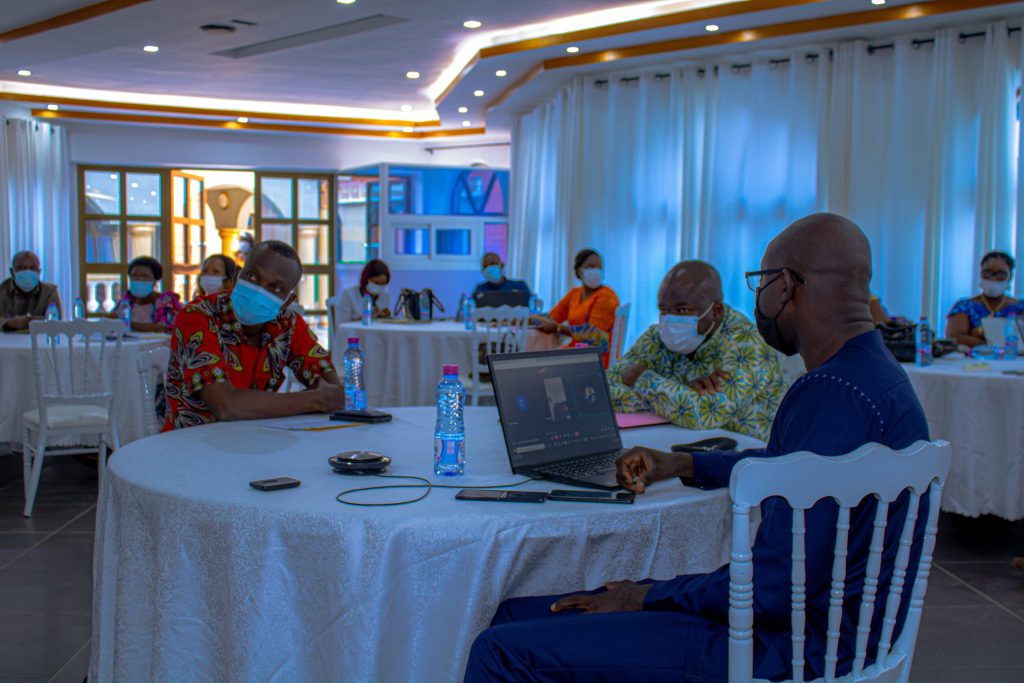
The first activity of this project is its launch to community stakeholders.